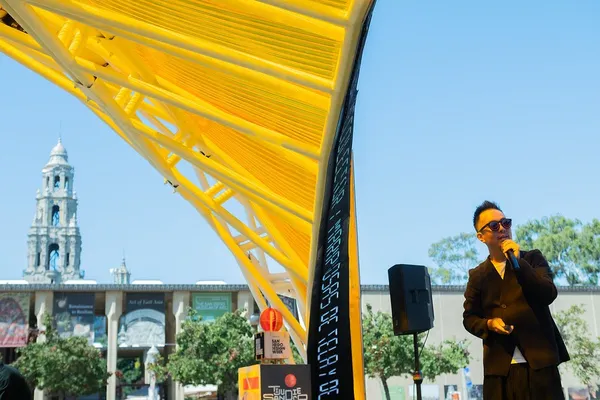
我每年至少會去美國一次,通常是為了參與哥倫比亞大學校友相關的活動。今年特別有幸前往聖地牙哥設計週,參與 World Design Experience Power by San Diego Design Week 的演講。
每次造訪美國,我總會尋找新鮮事物。不僅是像 Thomas Heatherwick 或 Norman Foster 這些知名建築師的最新作品,我更關注街頭巷尾的變化與設計。這些貼近日常生活的觀察,是一個地區的生活型態的變化,通常也是當前商業市場的趨勢,具體而言,不管是新餐廳、新商場、新飯店而呈現的設計樣貌,背後蘊藏著當地的文化深度,最重要的是商業模式以及新思維,讓人們對設計有更多的參與感,最成功的不是第一眼的視覺,而是與空間互動的方式。
聖地牙哥:遠離市中心的驚喜
在聖地牙哥時,我有機會入住了一家飯店名為 The Pearl Hotel。這家飯店位於郊區,遠離市中心的繁華熱鬧。一開始,我不禁問自己:為什麼不選擇住在市中心呢?
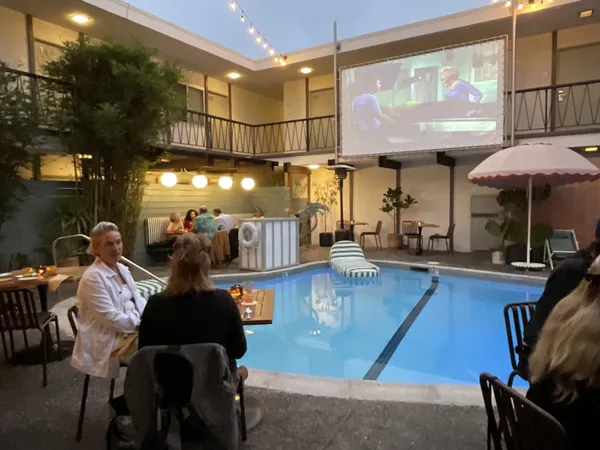
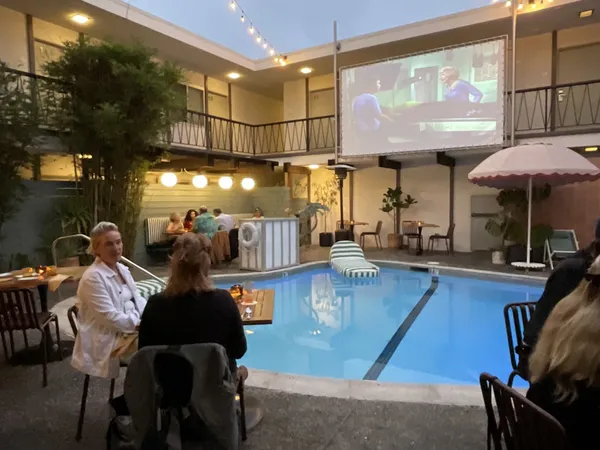
這家飯店前身是一棟典型的六○年代旅館,那種在老電影中常見的懷舊建築。它是如此的古老可能導致人們不知道該如何處理它。然而,業主的改造令人耳目一新。衛浴設計與家具配置極為簡潔,充分體現成本控制的智慧。真正讓人驚豔的,是他們如何重新賦予 Ponyboy 餐廳生命力——邀請一位知名廚師 Ian Ward 進駐,打造出令人垂涎的美食與精緻的雞尾酒。
他們刻意設計動線,讓每位住客在前往客房之前,都必須經過 Ponyboy 餐廳和酒吧。沿途,撲鼻的美食香氣、此起彼伏的笑聲以及歡快的氛圍,瞬間將人帶入這片歡愉的天地。於是,客房反倒成了次要的存在,餐廳與酒吧才是整體體驗的核心。
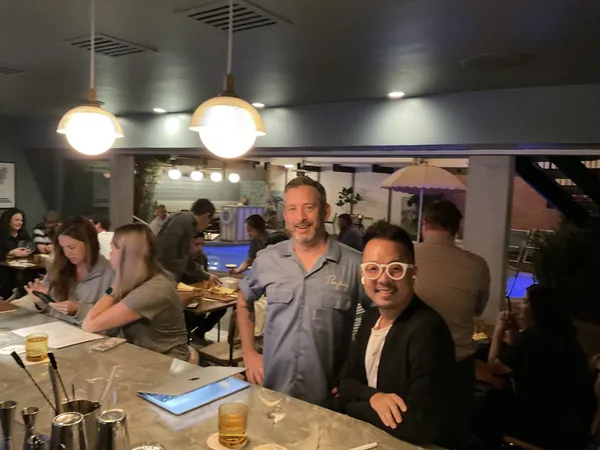
在前往正式晚宴之前,我告訴自己,無論如何都要在這家酒吧坐上一會兒,點幾份招牌菜:Grilled Oysters a la Rockefeller 和 Fisherman’s Catch Ceviche,配上一杯龍舌蘭酒,好好享受這片刻時光。
隔天早晨退房時,我對自己說,這真是一段值得珍藏的經歷,我一定會再來造訪。一間好的飯店設計,不僅體現在房內多樣的設計風格中,更在於踏入入口的那一刻開始,延伸至耳邊的音樂、餐桌上的新鮮烹飪食物,帶你進入另一個層次的享受。
紐約:進了飯店,誰還想回房間?
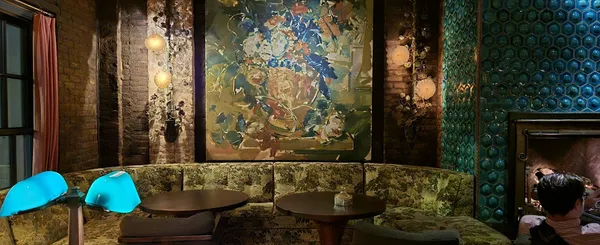
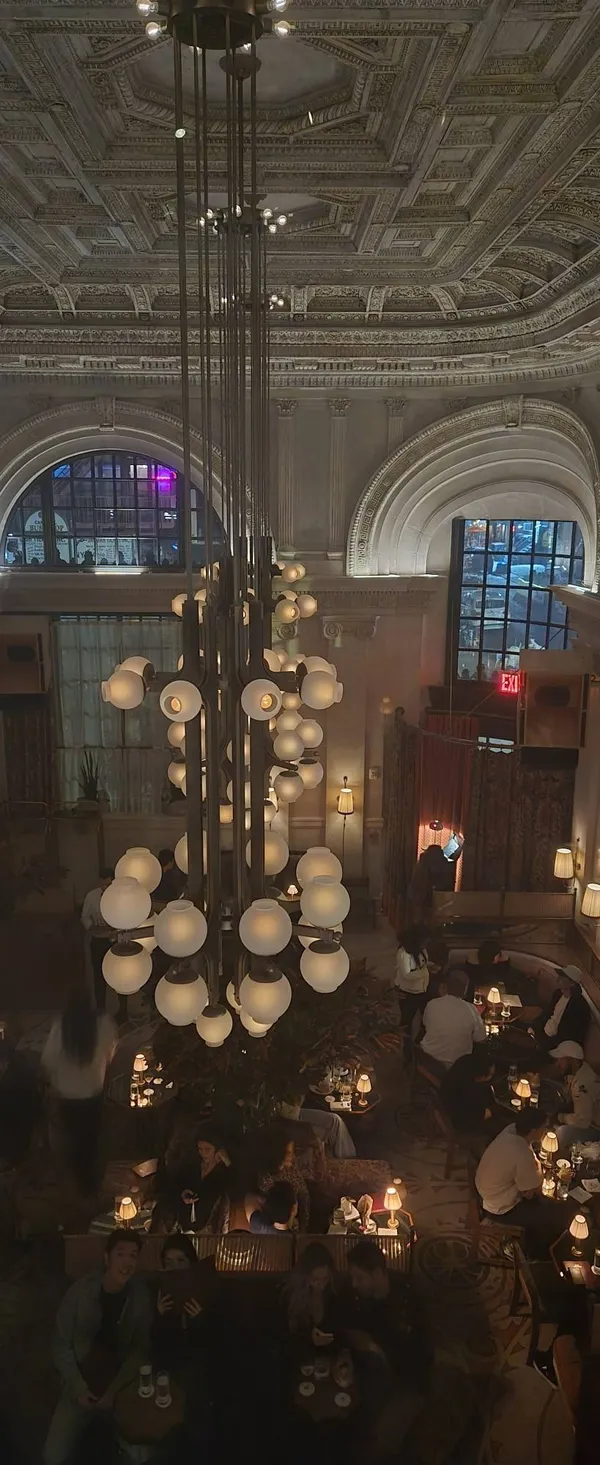
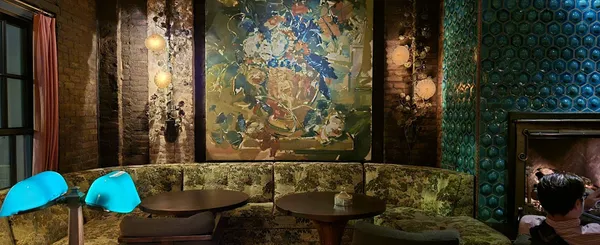
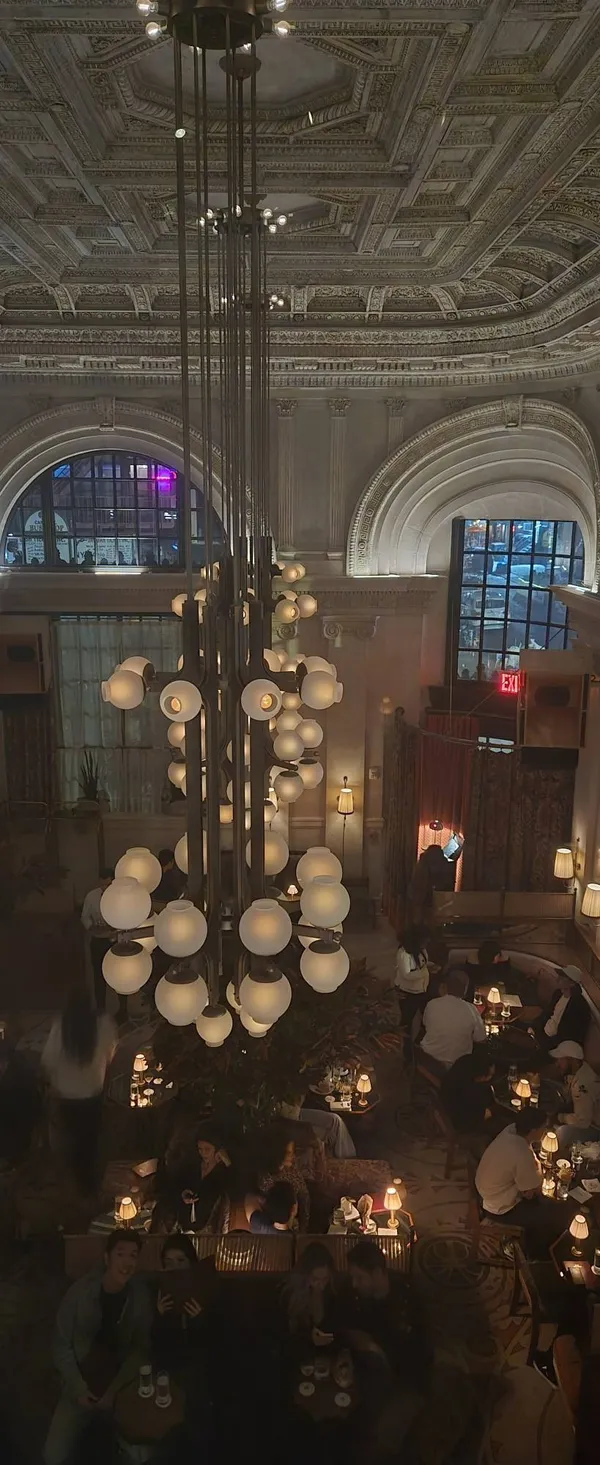
類似的故事也發生在紐約唐人街的 Nine Orchard。飯店位於唐人街邊界地區,能在這樣的角落供應高價房間,確實不簡單。這家飯店同樣以「美食」策略來吸引客人。一樓是大廳,窗邊緊鄰著酒吧與早餐區。此外,飯店角落還設有另一個酒吧,無論何時都座無虛席。
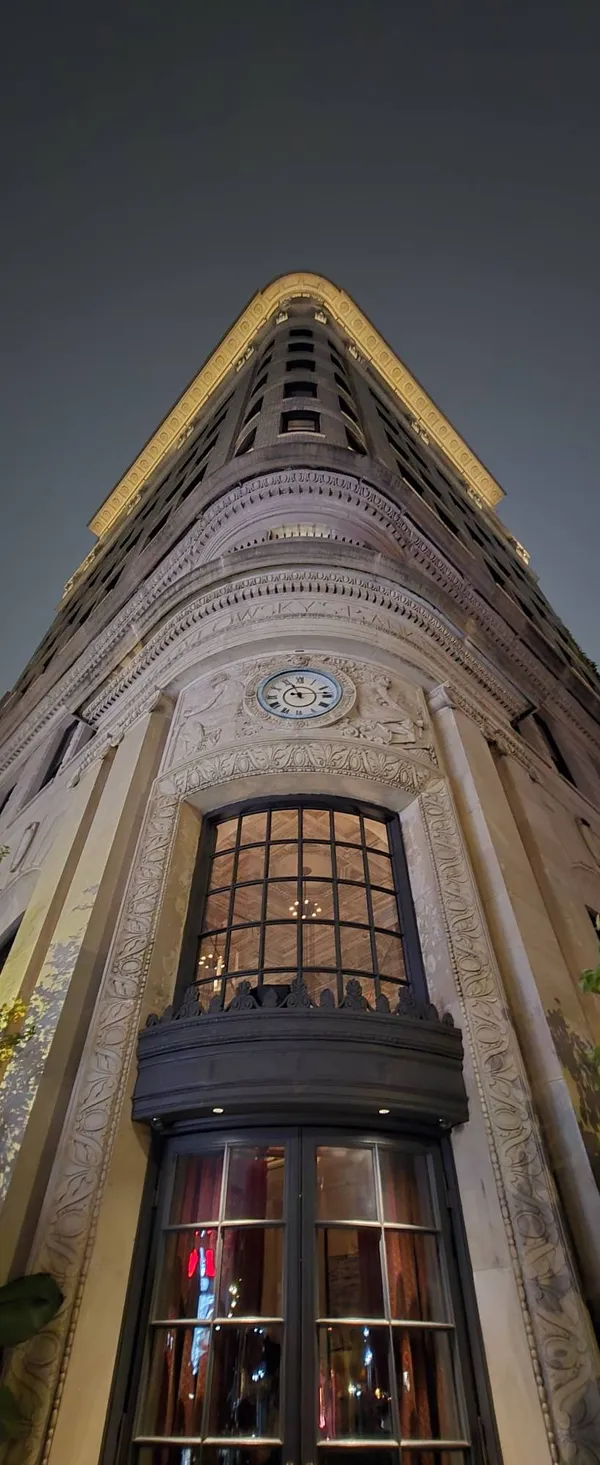
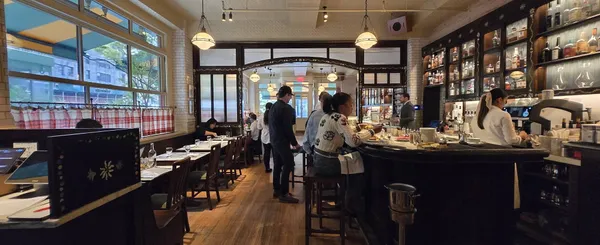
我在這裡享用早餐,感到意猶未盡,乾脆邀請朋友晚上一起來共進晚餐,飯後還在酒吧喝了一杯。一間優秀的飯店往往能讓餐飲收入占到總營收的 50%。畢竟,在紐約,房間通常空間有限,與其窩在房間裡,不如到舒適的公共空間與朋友共享愉快時光,留下專屬於紐約的珍貴回憶。
從壁爐到 DJ 台:讓飯店成為社交中心
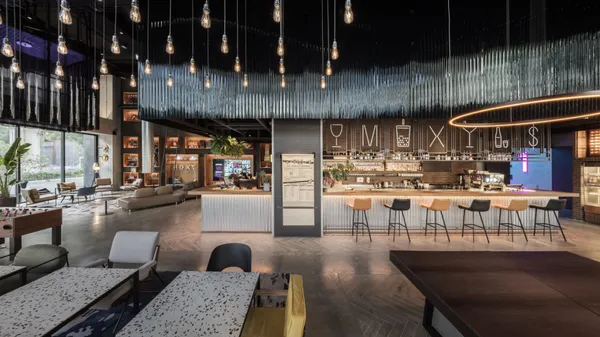
在台中,我們設計了一個類似的專案:台中豐邑 MOXY 酒店。一踏入飯店,充滿活力的氛圍立即迎面而來。入口處宛如一座熱鬧的遊戲室,中央設有吸引目光的壁爐,櫃檯兼具入住和酒吧功能,員工不僅能為你辦理入住手續,還能現調你喜愛的雞尾酒。
整個中庭將接待櫃台、酒吧、餐飲區、DJ 台及遊戲空間融為一體,並注入在地的台中文化,讓人時刻感受到身處台中的獨特氛圍。即使到了深夜——無論是晚上十點、十一點,或是午夜時分——中庭依然熱鬧非凡,散發著讓人流連忘返的迷人氛圍,讓你忍不住想多待上一會兒。
《The Monocle Guide to Hotels, Inns and Hideaways》提到:「一切的核心都在於:從簡單的事物找到值得停留的感受,還有理解業主暖心的待客之道。」這句話觸動了我。我經常將飯店作為觀察時代動向的指標。要讓一間飯店成功,必須結合多種元素:這包含本地居民的參與(擠滿餐廳與酒吧)和觀光客的光臨(入住酒店房間)。理想的情況是兩者兼具,讓飯店成為不分內外的熱鬧社交中心,為城市注入活力。
而最成功的設計不僅在於其表面的視覺衝擊,而在於它如何融入日常,創造出與人深度互動的可能性。飯店設計作為一個文化與商業的交匯點,應該在理性與感性的平衡中找到突破口。理性層面,透過數據分析提升坪效、燈光規劃與材質選擇的效能;感性層面,則在於如何以細膩的空間敘事,激發旅客的情感共鳴。當設計超越純粹的功能,進一步成為一個可以參與、互動與共鳴的場域時,便不只是單純的服務,而是一種讓人們願意回到這裡,甚至為之駐足停留的吸引力。
下次造訪一個國家時,試著尋找獨特的飯店,將有機會感受到不同的待客方式,體驗真正貼近當地文化的獨特回憶,為你的旅程增添更深刻的意義。
It’s Not Just About Looking Good— How Spatial Design Transforms the Way We Interact
2024 10 23 San Diego, New York.
I travel to the US minimum once every year, usually for Columbia University Alumni-related works; however, this year, I was also invited to do a talk at World Design Experience Power by San Diego Design Week.
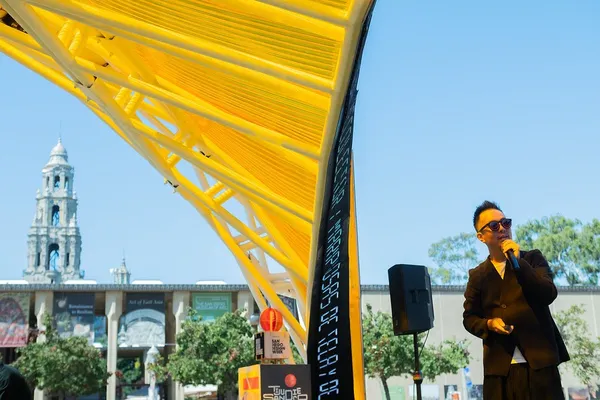
Every year I go, I try to look for new things, not only the latest stuff by big architectural names like Thomas Heatherwick, Norman Foster, yes, there are plenty of those. But I’m more intrigued by the changes and designs found in everyday streets and neighborhoods. These close-to-daily-life observations often reflect shifts in a region’s lifestyle and, more broadly, trends in the commercial market. Specifically, the design elements showcased in new restaurants, malls, or hotels reveal the depth of local culture. Most importantly, they highlight innovative business models and fresh perspectives that encourage greater public engagement with design. The most successful designs aren’t just about instant visual appeal—they’re about how people interact with the space.
San Diego: Surprising Gems Beyond Downtown
While I was in San Diego, I had the opportunity to check into a hotel called The Pearl. Out of the way in the suburbs, I question myself why I'm not staying downtown where everything is happening. This hotel conversion was from one of those '60s hotels that you can see in the old movies; it's something so old that we wouldn't know what to do with it.
The owner did a great job of converting design-wise. They did a great job on the toilet and the furniture inserted. Therefore, minimal cost spent only. But they converted the restaurant and invited the renowned chef Ian Ward to fill the place alive with great food and cocktails. This is on purpose with the design of the layout; every guest will need to walk through the Ponyboy restaurant/ bar to reach your room. By exposing all the food, smell, laughter, and good time as you head into your room, you are immediately attracted by all the fun-ness you will have out here. And room turns out not to be the important point, but the bar/ restaurant itself.
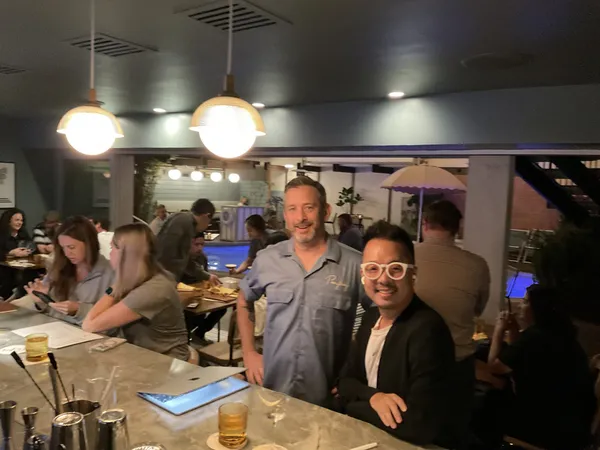
Before I run out to a formal dinner invite, I tell myself I must sit at this bar, order the most famous dish: Grilled Oysters a la Rockefeller and Fisherman’s Catch Ceviche, enjoy a mezcal, and take it at the moment. When I checked out the following day, I told myself, this is an experience to remember, and I will return to this hotel. A good hotel design is an experience that happens inside the rooms with various designs, but that entrance, music, and fresh cooking will bring you to another level.
New York: Once You Enter the Hotel, Who Wants to Go Back to Their Room?
A similar story happened in New York, Nine Orchard in China Town. The location is on the border of China town, and the ability to fetch a high price in this corner is surprising nonetheless. The hotel once again uses the food strategy to attract customers.
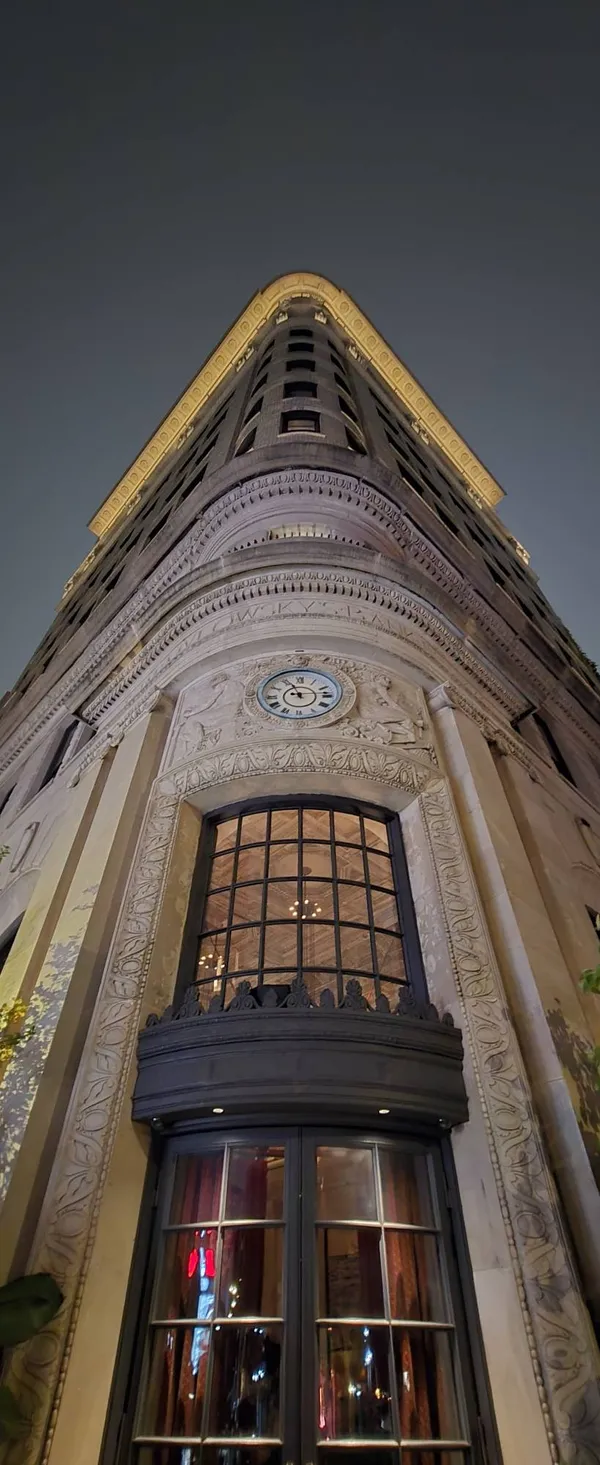
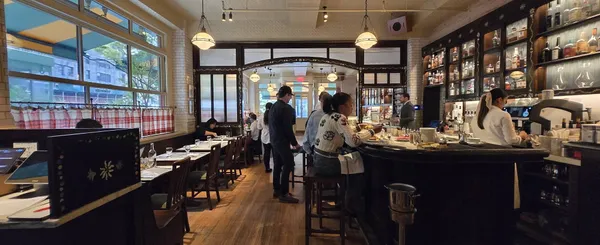
On the first floor is the lobby, next to the window that looks into the bar/ breakfast. Another "corner bar" on the 1st floor is also packed. I spent the morning eating breakfast here; wanting to spend more time, I asked my friend for dinner here and then a drink at the bar afterward.
A good hotel can fetch up to 50% of F&B revenue. What else would you like to do in the room in New York? It is tiny. So why not spend a good time in the lounge area with your friends and create that New York memory?
From Fireplaces to DJ Booths: Turning Hotels Into Social Hubs
In Taichung, we designed a similar project: the Taichung Moxy, a hotel where vibrant energy greet you the moment you walk in. From the entrance, you’re transported to a lively game room with a fireplace at its heart. The check-in desk doubles as a bar, where staff not only handle your room but also whip up your favorite cocktail.
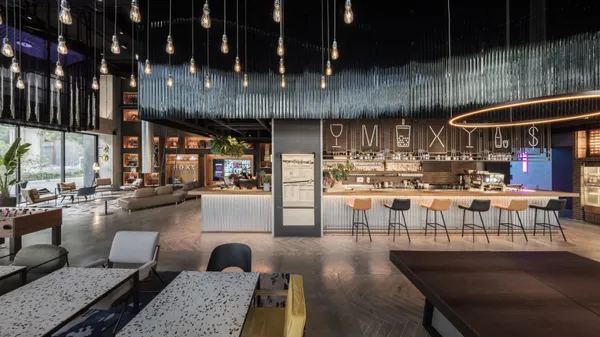
The entire atrium combines reception, bar, dining, DJ booth, and games into a dynamic space infused with local Taichung culture, ensuring you always remember where you are. Even late at night—whether it’s 10, 11, or midnight—the atrium buzzes with energy, creating an unforgettable vibe that makes you want to stay just a little longer.
《The Monocle Guide to Hotels, Inns and Hideaways》mentions, "At the heart of everything has been one guiding principle: to find stop-ins that get the simple things right and understand the value of thoughtful hospitality." which often uses hotels as a measure of what is happening. For a hotel to succeed, there are combinations that you need to make. The local population fills in the restaurants and bars, and the tourism market fills in the rooms. And best of all, together to create a very happening hotel.
The best designs aren’t just about looking impressive—they blend into daily life and create meaningful ways for people to connect. Hotel design, as a mix of culture and business, needs to balance practical solutions with emotional impact. On the practical side, this means using data to make spaces more efficient, improving lighting, and choosing materials wisely. On the emotional side, it’s about telling a story through the space that speaks to people’s feelings and creates a personal connection. When a design goes beyond just being functional and becomes a place where people can interact and connect, it turns into more than just a service. It becomes an experience that makes people want to stay and come back again.
Next time you visit a country, try not to look for those big-name hotels but search for independent or unique ones, which create local memories of another kind.